Art Business Practices

Painting of Grizzly Bear by Rosemary Conroy

Who Could Help You in Your Business? (Curious Monday)

Artists tell me there is too much work to be the creative director, CEO, chief marketer, and social media manager of their businesses.

Soooooo …

If you could wave a magic wand and have help in your art business, who would you hire?

What would their responsibilities be?

Would they help you in the office or in your studio?

Is it a single person? Or multiple people?

Do they need to work in your space or can they work virtually?

Since you’ll never get help until you define the parameters of the job, let’s start with those questions.

Who Could Help You in Your Business? (Curious Monday) Read
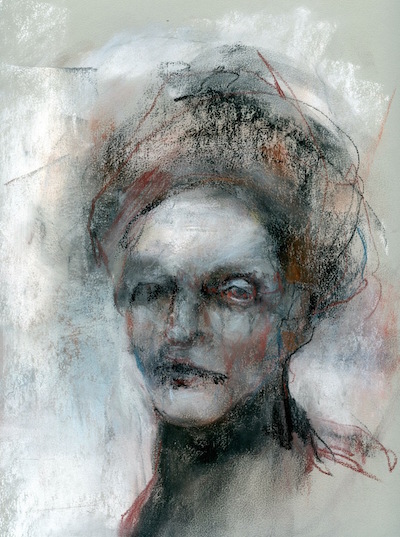
Pastel Portrait by Gillian Lee Smith

Written Contracts & Agreements (Curious Monday)

Doing business on a handshake seems to be the easiest and best way to do things – until we realize it was a really, really, really bad idea.

Putting terms and conditions on paper will save your butt.

And … I know that artists don’t always go to the trouble to get things in writing.

So, here’s what I want to know.

What situations/projects/venues do you have contracts for?

When do you do without contracts?

Have you ever been in a situation in which you would have been better served with a contract? (You kicked yourself by not having a signed agreement.)

Written Contracts & Agreements (Curious Monday) Read

Tami Bone photograph of woman holding terrarium

Balancing Studio Time with Business Time (Curious Monday)

Know that you are not alone in wanting to know the answer to this question.

It’s asked of me so often that I thought I’d throw it out to you.

Loyal reader Tami Bone put it this way …

How do other artists juggle or balance studio time with time to focus on marketing and business?  

I find the switching back and forth to be difficult, and it seems I need full days to focus on one or the other. 

So, what say you?

How do you find the balance? How do you divide your time between business and making art?

Balancing Studio Time with Business Time (Curious Monday) Read

Painting by Barbara J. Hart

What’s Your Social Media Schedule? (Curious Monday)

One of the things we do in Content Camp is create an editorial calendar so you know what you’ll be posting and when.

This naturally got me thinking about what your social media schedule is like.

How frequently do you post? And to which platforms? Facebook? Twitter? Instagram? Pinterest?

What time of day do you post?

Do you schedule posts or always post live?

What types of things do you post?

What’s Your Social Media Schedule? (Curious Monday) Read

Alicia R Peterson Painting

3 Simple Actions To Avoid The Tax Time Crazies

Even if you work with a bookkeeper and accountant, as I do, there’s still much work to be done this time of year.

Every year I learn something new at tax time that I wish I had known in advance – insights that would have made the filing process much easier.

These three actions are a compilation of what I’ve learned from my experiences and those of my clients, which should eliminate some of the crazies around tax time.

1. Take charge of your business finances.

Don’t rely on a spouse to take care of your business finances. You, as CEO and CFO of your art career, need to know how to manage the money. You must take 100% responsibility for your future.

As sad as it is, I’ve heard many stories about people being duped out of their life savings by spouses who made poor financial decisions. These weren’t features in the paper or characters in a television exposé. These were artists and clients.

At the same time,

3 Simple Actions To Avoid The Tax Time Crazies Read

21 Mindless But Productive Tasks for When Genius Takes a Hike

Wouldn’t it be amazing if you could call up your genius whenever you needed it?

Hey, genius! Help me out with writing this article, please.

What would be even more amazing is if Genius would come running whenever you issued this command.

But Genius runs on its own time and has a pretty smart mouth.

My Genius lets me know who is boss:

  • I’m tired. Leave me alone.
  • You really should have used me when I was in better form. You know … like 6:00 a.m. That’s my power hour.
  • Are you kidding me? You spend the last four hours doing diddly-squat and now you expect me to drop everything and run to your rescue?
  • Hey, lady! I worked hard for you today. I’m entitled to stupid time.

Stupid time. That’s what I call the hours when my brain can’t make sense out of words or come up with a single creative idea.

I imagine Genius is taking a hike, sweating it out at hot yoga, or gulping down a green smoothie. You know, because Genius is Genius. She doesn’t need naps. She only needs to refuel.

Whatever happened to Genius, I’m left alone to endure stupid time.

And then there is someone else’s time. This becomes an issue when

21 Mindless But Productive Tasks for When Genius Takes a Hike Read

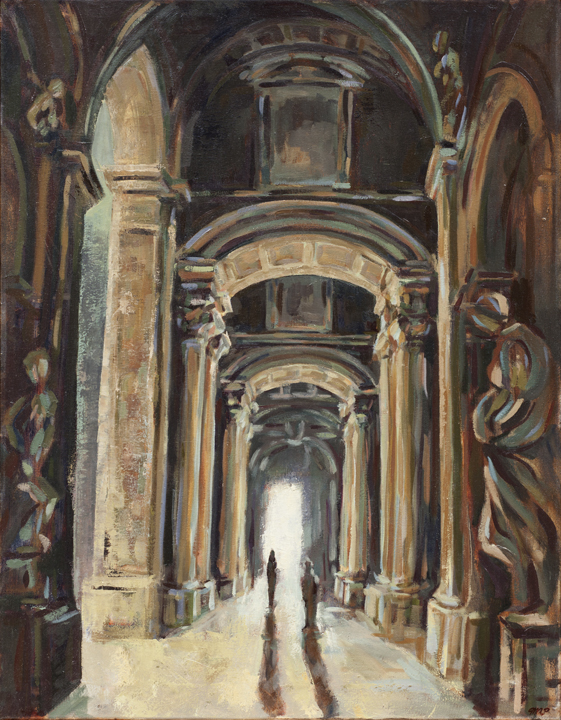
©2012 Michelle Paine, Pilgrimage: St. Peter’s. Oil on canvas, 30 x 24 inches. Used with permission.

Lessons From The Past Year

It’s hard to keep up with weekly emails about your art business, so I thought I’d point out some things that you might have missed or forgotten about this past year.

These are 12 valuable actions, from 12 different Art Biz Blog posts in 2015, to help you grow your art career while staying sane.

Marketing Your Art

1. Reduce the Boring Factor: Add Variety to Your Marketing Message

Why it’s on the list: Please, for the love of Pete, read this before you send another email.

Your art exhibition, class, workshop, or event has so many facets that there is no reason to send the same emails and social media posts for your promotions. They get a little stale after a while.

I have some ideas for you.

Lessons From The Past Year Read

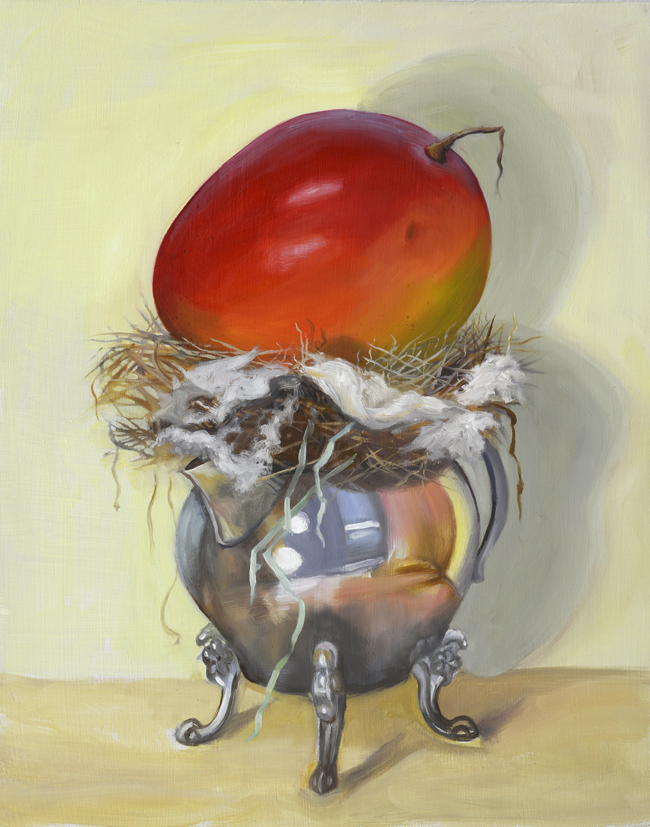
©Jean Reece Wilkey, Mango on Silver Creamer. Oil on panel, 14 x 11 inches. Used with permission.

Empower Yourself By Taking 100% Responsibility

External factors do not determine how you live. YOU are in complete control of the quality of your life, by either creating or allowing the circumstances you experience.

Jack Canfield

It was in Jack Canfield’s seminal book, The Success Principles, where I first read about the necessity of taking 100% responsibility for your life. In fact, it’s no lower on the list than Principle #1 in the book of 64 principles.

He’s pretty clear. It’s not 100% responsibility for this or that. It’s 100% responsibility for EVERYTHING. This means:

  • You have to give up all of your excuses.
  • You have to give up blaming.
  • You have to give up complaining.

Here’s the thing about taking 100% responsibility: It puts you in charge.

I understand that this amount of control can be daunting for a new business owner, but wouldn’t you rather have control than to cede it to others?

Embrace this power!

If you’re frustrated by your results, or lack thereof, don’t blame the economy, the online platform, the weather, other artists/people, or the venue.

Instead, consider the things you can control. This is taking responsibility and being a savvy businessperson and more enlightened human being.

Empower Yourself By Taking 100% Responsibility Read

Scroll to Top

Consider 44 possible reasons why your art isn't selling.

Cover of free report: When Your Art Isn't Selling
  • External Factors
  • The Work Itself
  • How You’re Showing It
  • The Buying Experience
  • How You’re Connecting
  • How You’re Promoting It

CAN I SEND YOU THE LIST?

Be sure to check all of your email folders to ensure delivery. You’ll also receive my regular news for your art business.

Privacy + Terms