Collectors and Relationships

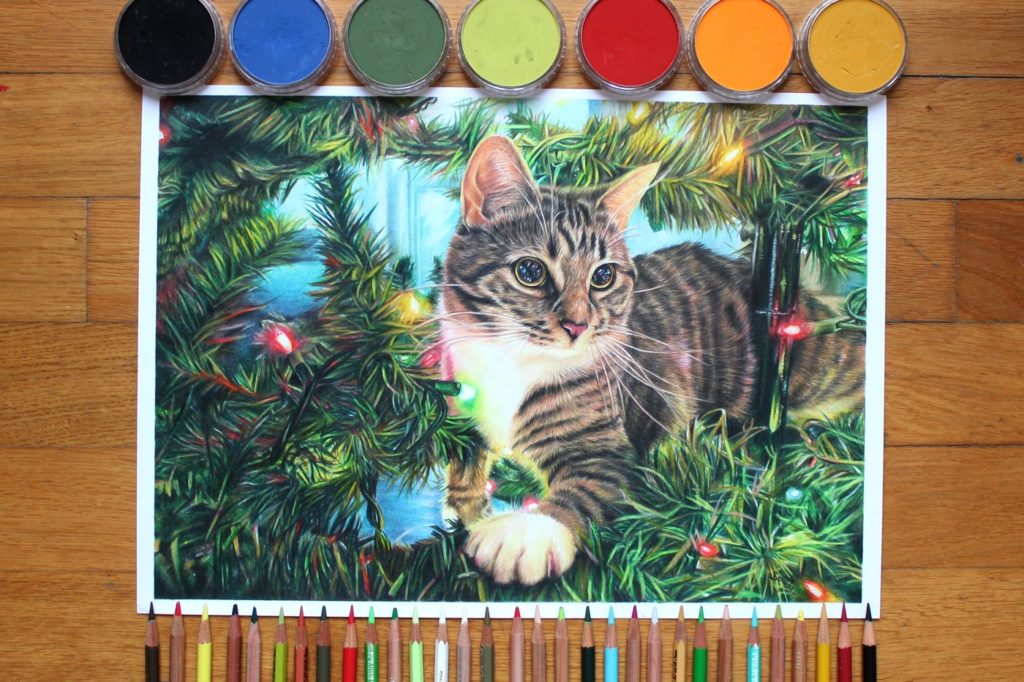
Waiting for Santa Sema Martin drawing of cat in christmas tree

The Art Biz ep. 68: Procedures for Art Commissions with Sema Martin

By now you may have picked up on the fact that I am a sucker for a reliable system. My signature program is called the Art Career Success System for a reason. Systems work. They provide you with a framework that, once in place, you can return to repeatedly and update to match where you are at any given moment in your art business. 

I love figuring out systems, maybe even more than I love following them, because systems are always there to support my progress. And my guest for this episode of the podcast has proven that a clearly defined system can take your art business to the next level.

Sema Martin is a full-time artist living in the French Riviera. She currently has a 4-month waiting list for her pet portraits, which is likely due in part to a system she has developed that keeps her organized and her customers satisfied.

In our conversation, Sema shares the the 8 stages of commissioning work from her.

We discuss how she standardized her sizes, how she makes it easy for clients to buy from her by offering multiple currencies, and how social media serves a dual purpose to both promote her work and to share her progress with clients. You’ll hear how she stays organized and at the end of this episode I’ll tell you how to get a copy of her system spreadsheet.

The Art Biz ep. 68: Procedures for Art Commissions with Sema Martin Read

Following Up After You’ve Sold a Piece of Art

People who buy from you once are more likely to buy from you again than people who have never bought from you.

And … It’s less effort to nurture relationships with people who already know, like, and trust you than to find new people to share your art with. Acquiring customers, in marketing terms, is a long and costly process.

Therefore, it makes sense to take care of the people who have purchased from you. Show them you appreciate them now instead of contacting them later only when you want something from them.

One of the biggest mistakes artist-entrepreneurs make is not following up with people who have given them money.

If you’ve been lax in this area, you might be leaving money on the table.

If you sell art from your studio, rather than through a gallery, you have no excuses for not following up appropriately. You have the name and contact information of your collectors.

Here’s a plan to awe your collectors–not just once, but over the course of your relationship.

Within 1 Week of Sale: Express Gratitude

Send a thank-you note in the mail. Use notecards with images of your art on them for all of your handwritten notes.

This is yet another opportunity to put your art in front of people who appreciate it. The cards, of course, have your contact info or website on the back.

Don’t exploit this as an opportunity to ask for anything else. Thank-you notes are for expressing gratitude only, not for additional sales or requests.

Two Weeks Later: Ask to Connect

In this email, suggest to your collector that

Following Up After You’ve Sold a Piece of Art Read

7 Ways You Might Be Scaring Off Potential Buyers

Art buyers often have as many insecurities about the process of buying art as you do, which means they are sensitive to the signals you’re sending.

It’s your job to reassure them that they are making the right decisions – and you can do so in very subtle ways without resorting to sales speak.

And it has just as much to do with what you don’t do and say.

Here are seven practices that will scare off your audience and potential fans.

1. Being indecisive about prices.

Indecision makes you appear less confident.

Set your prices after you’ve done your homework and be ready to share them in person and online.

If you’re ever pushed for a price that you aren’t certain about, say, “Let me check my list and get back to you. I wouldn’t want to give you the wrong price.”

2. Apologizing for your art.

The apologetic artist who brushes aside compliments about her art is not market-attractive.

I am not in any way condoning arrogance. I’m saying that you need to hold your head up and say “Thank You” when you are given a compliment.

As Julia Child said in Julie & Julia, “Never apologize. No excuses. No explanations.” Along the same lines . . .

3. Playing down the fact that you’re an artist.

Heart surgeons don’t look at the ground and say, “I’m kind of a heart surgeon.” When someone asks what you do, you shouldn’t respond meekly with, “Well, I’m kind of an artist.”

7 Ways You Might Be Scaring Off Potential Buyers Read

How to Make a Dynamite First Impression

You only get one chance to make a first impression. True? True!

Competition is fierce in today’s art market, and you must distinguish yourself.

How will people come to know you? More importantly, how will they remember you?

Consider this advice when you want to be memorable in the right way.

Be prepared.

There is no excuse to go into a meeting or situation blindly when you have the virtual world readily available. A simple check with search engines or a social media account might lead you to a treasure of information.

Conduct your research in advance to show people that you’ve heard of them – this always impresses.

You might also discover facts in your research that will help you skillfully navigate any conversation.

Be on time.

The little computer we all carry around in our purses and pockets has made it far too easy for us to be tardy to appointments. All we have to do is text someone to tell her we’re running late.

This is usually fine when you know the other person well. It’s not fine if it’s your first meeting or if you make it a habit.

Be interested.

People will think

How to Make a Dynamite First Impression Read

5 Ways to Follow Up with Students in Your Art Classes

The follow-up process for students is different than that for buyers and collectors.

Once someone has studied with you, they are likely to take additional classes from you, which means it’s just as important to follow up with students as it is with your collectors – if you want to grow your class sizes and offerings.

You have to show students that you care before, during, and after the program they enroll in.

Here are five ways to do that.

1. Ask for Evaluations and Testimonials

Evaluations can help you improve your offerings while showing students that you care about the experiences they’ve had with you. You’re asking to hear their opinions.

Evaluations can also be a source of testimonials for your programs – if you ask the questions the right way.

Keep your evaluation short. I suggest some variation of these three questions:

What did you most enjoy about this class?

What was your

5 Ways to Follow Up with Students in Your Art Classes Read

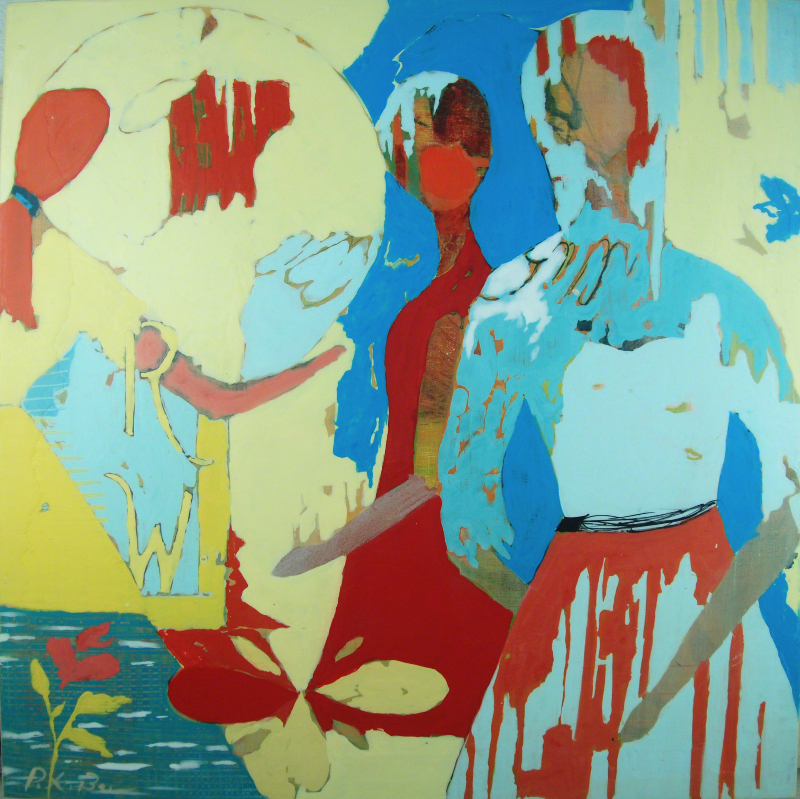
Painting of 3 women by Pam Beer

Have You Lost Friendships Because You Are An Artist? (Curious Monday)

Living the life as an artist is hard enough, but it’s made harder when those we’re close to don’t support us.

We need people around us who can support us emotionally – people who believe in our message to the world. It really stinks when friends and family don’t believe in our goals.

Have you lost friendships because people couldn’t support your life as an artist?

Have You Lost Friendships Because You Are An Artist? (Curious Monday) Read

Scroll to Top

Consider 44 possible reasons why your art isn't selling.

Cover of free report: When Your Art Isn't Selling
  • External Factors
  • The Work Itself
  • How You’re Showing It
  • The Buying Experience
  • How You’re Connecting
  • How You’re Promoting It

CAN I SEND YOU THE LIST?

Be sure to check all of your email folders to ensure delivery. You’ll also receive my regular news for your art business.

Privacy + Terms