Writing the Artist Statement and Communication

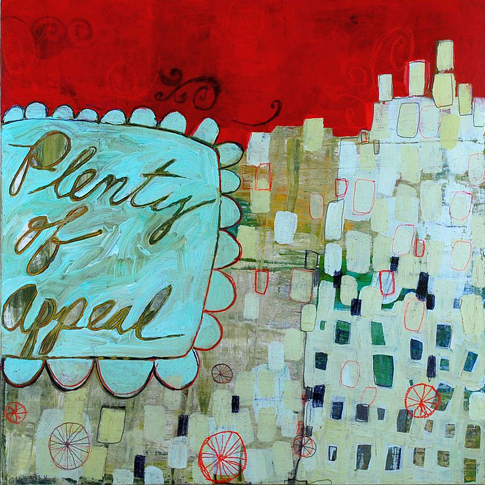
©2011 Barbara Gilhooly, Plenty of Appeal. Acrylic on birch.

5 Fast Fixes to Improve Your Artist Statement

I read a lot of artist statements. “Read” is a generous word. Mostly, I endure them.

You know what I’m talking about.

In my Magnetic You course, I walk you through a journaling process for writing your artist statement. The format I’ve created asks you questions that make it easy to collect words that will contribute to your statement and other marketing material.

Once it’s written, you have to edit it. And you always want to be improving your artist statement.

Tips for Editing Your Artist Statement

Here are 5 things to look out for in the editing process.

1. Don’t say your art is unique.

“Unique” doesn’t mean anything and, odds are, your work isn’t. Almost all art is derivative of informed by other work and anyone who knows art history can point to an artist who did it first place your art in that context.

But your work does have qualities that make it yours rather than someone else’s. Instead of using the word “unique,” describe your work in a way that makes the reader think it’s unique.

2. Remove the things that every artist says.

I see the following phrases in so many statements that they put me straight to sleep. Do NOT use these in any version in your statement.

5 Fast Fixes to Improve Your Artist Statement Read

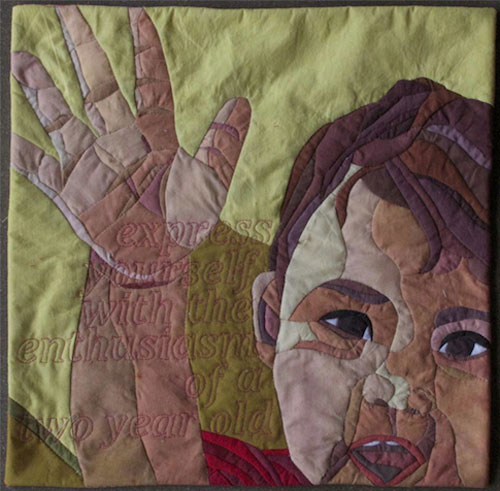
©2011 Ruth de Vos, Snapshot #8. Quilted textile.

Why You Need to Write About Art

Consider becoming an arts writer/reviewer of other artists’ work. Writers are needed in the art ecosystem as critics and reviewers shape taste and are the gatekeepers that decide what is worthy of attention. Most importantly, the more you write about any art, the better you will become at writing about your own art.


Why You Need to Write About Art Read

Virginia Folkestad Art Studio

Tongue tied? Return to Pictures to Tell Your Story

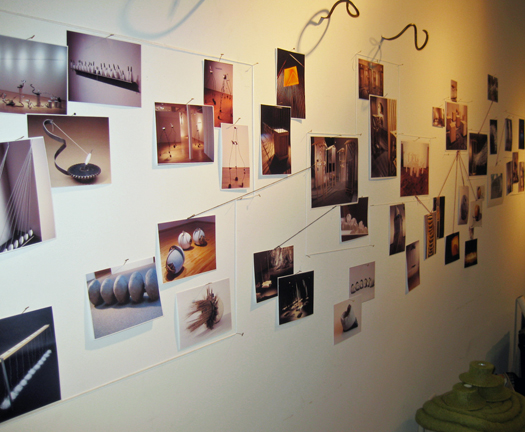
On a visit to Virginia Folkestad‘s studio, I was taken with the way she documented her career in a visual timeline.

I encourage you to do something similar for your oeuvre.

  1. Tack color images of your art chronologically to the wall. Add dates if you need them as reminders.
  2. Use yarn or string to connect ideas and thought processes between earlier and later work.
  3. Record, in words, why you connected the images.

This will help you visualize your progress and understand how objects and ideas are connected over time.

You will discover common threads that you didn’t previously see, which will help you better tell the story of your work.

Have you tried something like this?

Tongue tied? Return to Pictures to Tell Your Story Read

Scroll to Top