solo

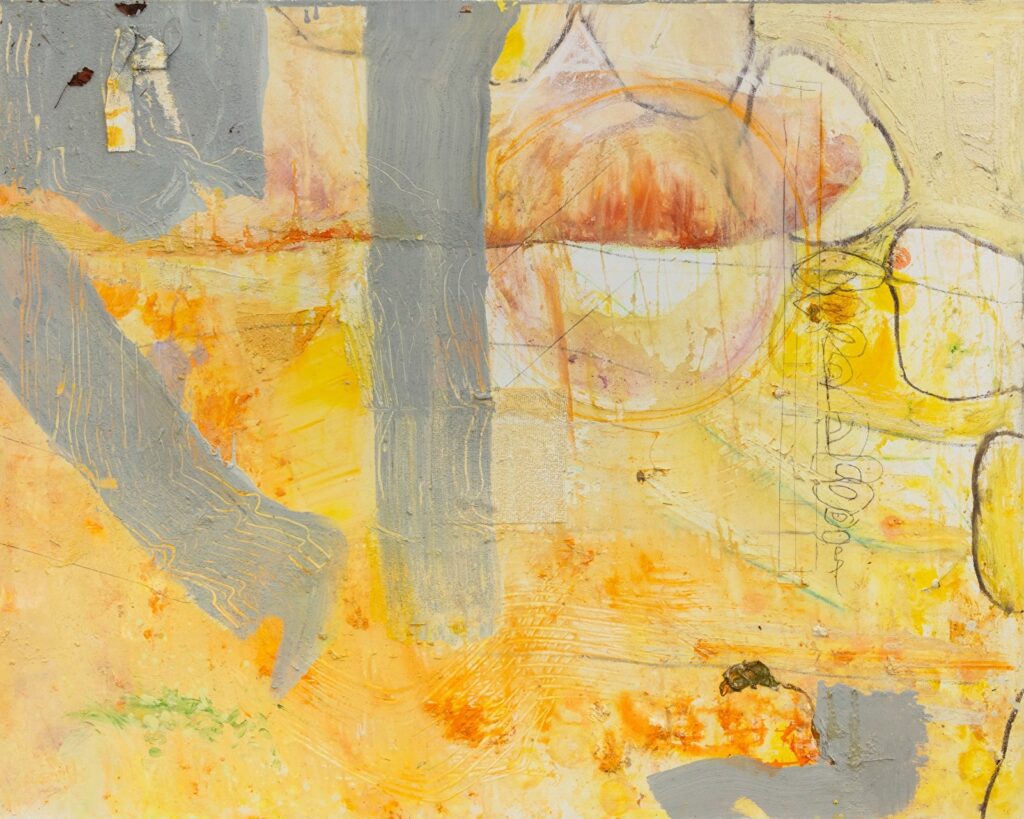
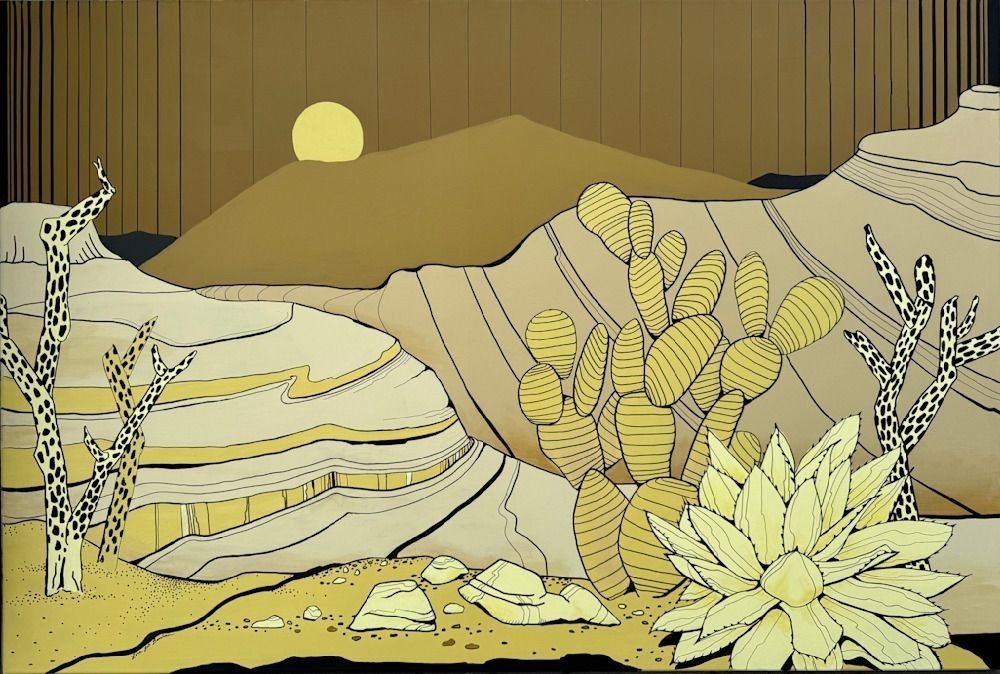
Textural contemporary abstract painting in shades of yellow, gold, and silver.

How curiosity and research deepen your studio practice (268)

Research isn’t only an academic exercise — it’s a commitment to following your curiosity, and it’s inseparable from making strong work.

In this episode of The Art Biz, I make the case that the artists who build enduring careers are the ones who keep asking questions: about their subjects, their materials, and anything else that attracts them. Here’s what that looks like in practice, and why it matters even beyond the studio.

How curiosity and research deepen your studio practice (268) Read

Collage-style painting of a tan and red dilapidated brick building with weathered green shutters and a palm-like plant growing from the roof.

How much time will your art career take? (267)

The artists who ask me “how much time?” are usually the ones still deciding whether they’re in. How much time should you spend on business versus making art, and how long before any of it pays off?

In this episode of The Art Biz I answer both truthfully — including a number you might not want to hear — and offer a better question to ask yourself instead, one that has less to do with hours and everything to do with commitment.

How much time will your art career take? (267) Read

Christie Marks oil and acrylic painting of a large pink and white lotus flower with dramatic, dripping rich colors like magenta, turquoise, and yellow in the water’s reflection

Use the attraction method for art venues before you make the ask (265)

So many artists reach out to venues too soon — before the relationship exists and before the venue has any reason to say yes.

Introducing the attraction method for building visibility with a space manager/director/curator long before you make an ask. It removes the awkwardness and allows you time to ensure a good fit. When the time comes to ask for a show, you’re not a stranger.

Use the attraction method for art venues before you make the ask (265) Read

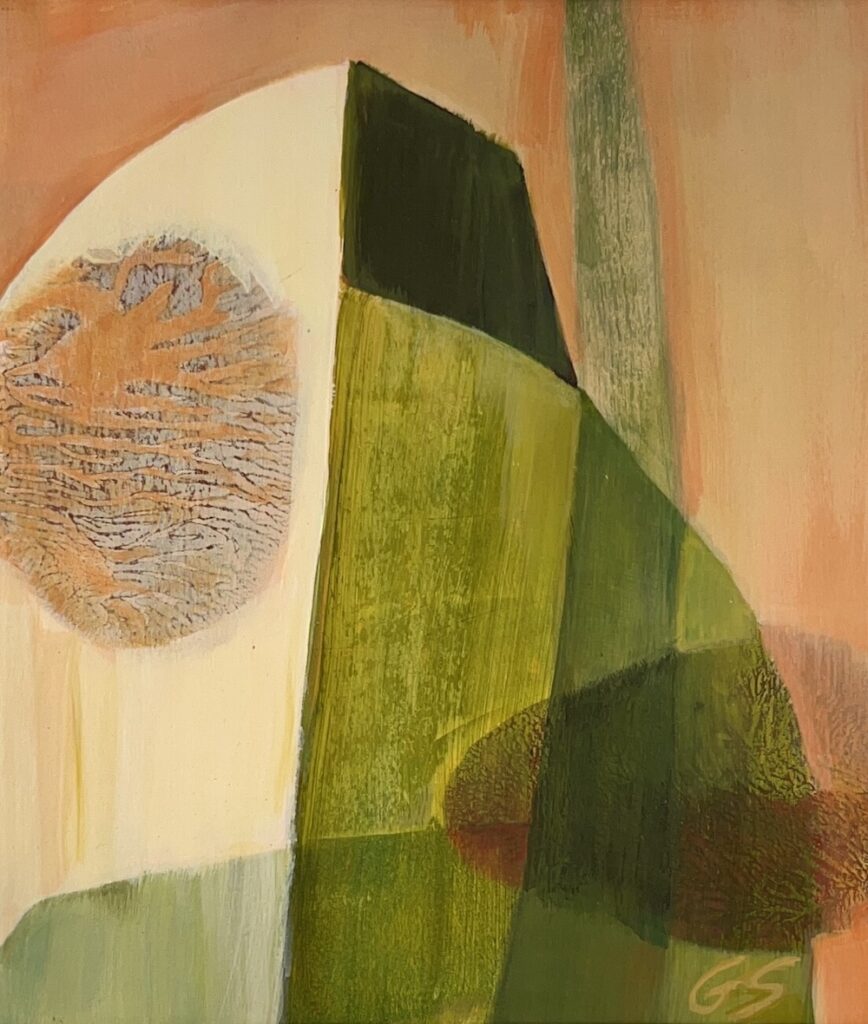
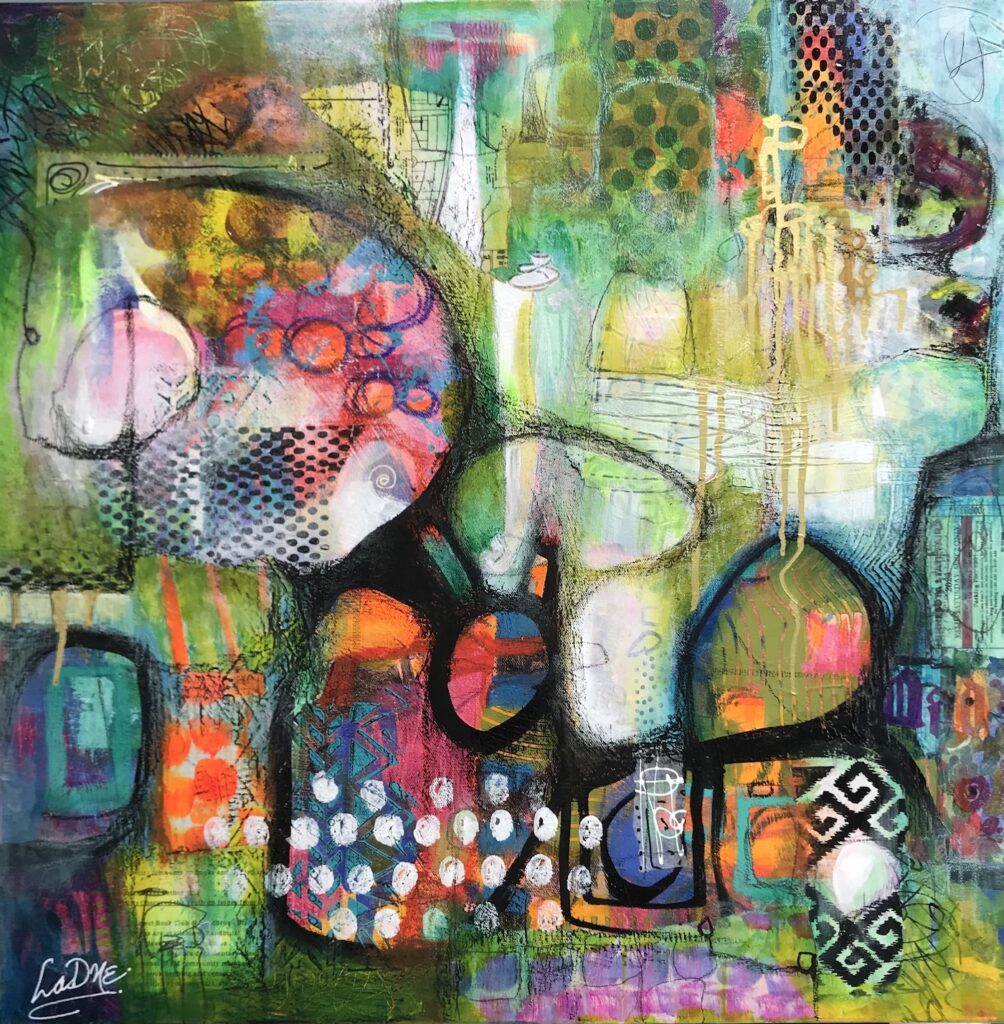
Abstract acrylic painting by Gail Salzman of a combination of large geometric blocks and curved, organic elements in earth tones of olive green and ochre contrasted with softer tones of peaches and tans.

The artists who don’t wait to be chosen (264)

Waiting for gallery representation or other opportunities to cross your path is a common theme I see among artists, but it’s not a good strategy.

In this episode, I make the case for taking control of where and how your work is seen, with real examples of artists who showed up in unexpected places and made it work. If you’ve been cycling through juried shows or hoping a gallery will find you, this one is worth your time.

The artists who don’t wait to be chosen (264) Read

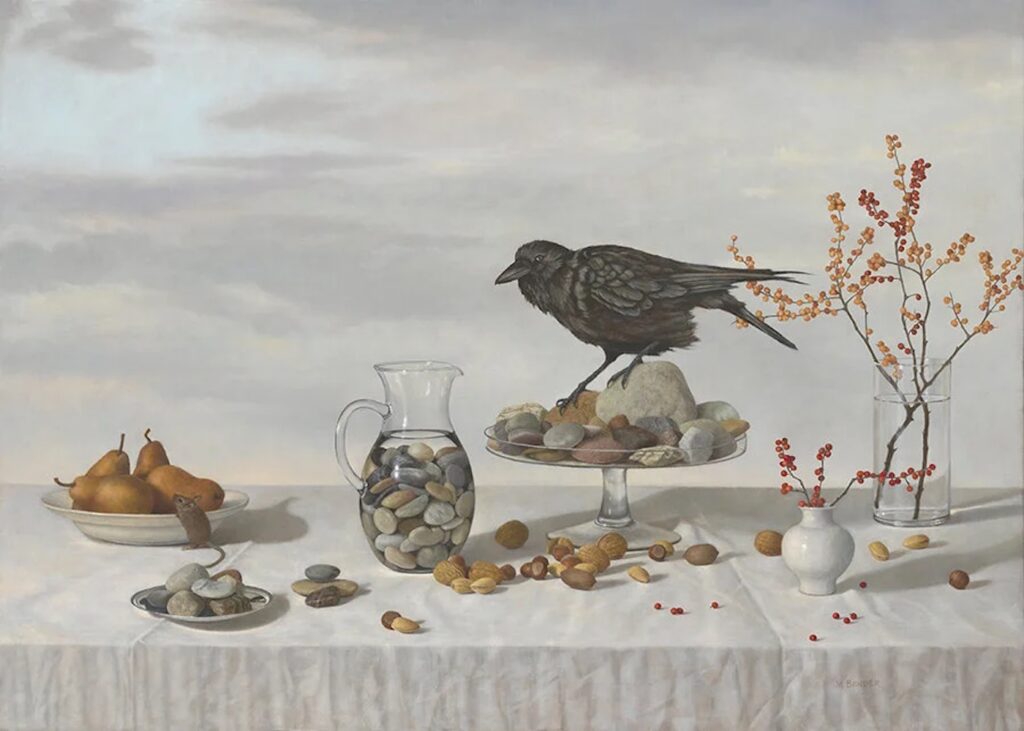
Marie Bender Still life painting of a black crow perched on a dish surrounded by rocks, a pitcher of rocks, nuts, pears and floral elements

Why the lone artist mindset keeps you small (263)

Going it alone feels easier. No coordination, no compromise, no communication overhead. But the artists building the careers you admire are rarely doing it alone.

In this solo episode, I make the case for collaboration as a strategic habit, not a one-time favor. I shares real-world examples, explain what makes them work, and offer a question to ask the next time you’re planning a show or a new body of work.

Why the lone artist mindset keeps you small (263) Read

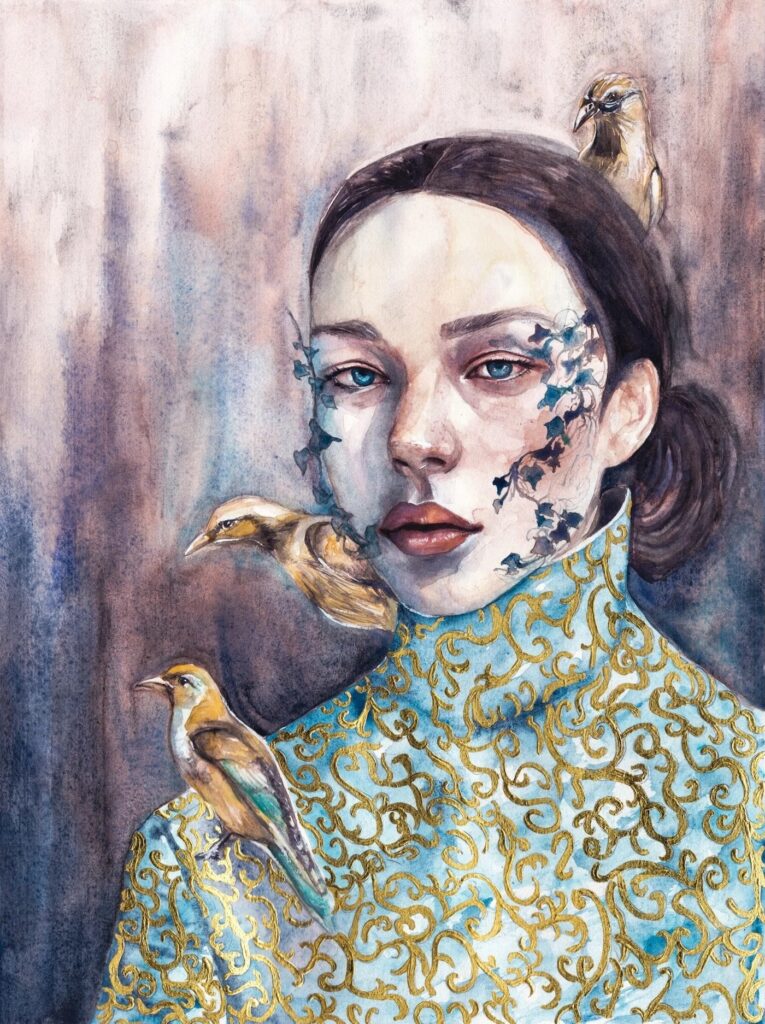
Miwa Gardner emotive watercolor portrait of a woman surrounded by birds and with vine-like markings on her face. The subject is wearing a high-necked garment adorned with intricate gold filigree patterns.

What are you waiting for? The real costs of postponing strategic work in your art business (261)

The daily work of running an art business — making art, posting, responding, shipping — always feels urgent. The strategic work doesn’t. So it waits. But postponing that deeper evaluation isn’t neutral.

There are five specific costs that accumulate when you keep the strategic work on the back burner, quarter after quarter. None of them announce themselves. And that’s precisely what makes them so damaging.

What are you waiting for? The real costs of postponing strategic work in your art business (261) Read

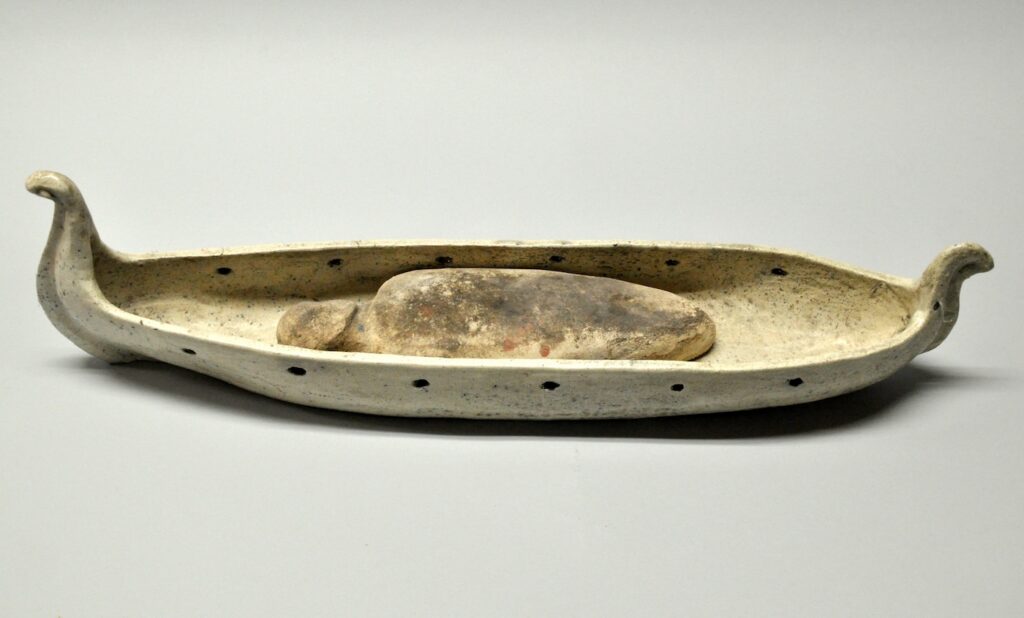
Cindy Rassche ceramic model of a boat

The art business self-assessment every artists should do (260)

Before you can decide what to do next in your art business, you need to know what you actually have. In episode 260 of The Art Biz, I walk through the three-zone framework I use with every private client: Outreach, Presence, and Systems.

It’s a structured self-assessment that gives you a clear, honest picture of where your business stands, so you can stop guessing and start making decisions that actually move things forward.

The art business self-assessment every artists should do (260) Read

Scroll to Top