Goals and Planning

Miwa Gardner emotive watercolor portrait of a woman surrounded by birds and with vine-like markings on her face. The subject is wearing a high-necked garment adorned with intricate gold filigree patterns.

What are you waiting for? The real costs of postponing strategic work in your art business (261)

The daily work of running an art business — making art, posting, responding, shipping — always feels urgent. The strategic work doesn’t. So it waits. But postponing that deeper evaluation isn’t neutral.

There are five specific costs that accumulate when you keep the strategic work on the back burner, quarter after quarter. None of them announce themselves. And that’s precisely what makes them so damaging.

What are you waiting for? The real costs of postponing strategic work in your art business (261) Read

The Career Journey of Growth-Minded Artists (ep. 186)

I want to talk about something that gets in the way of how you think your art business possibilities: The ladder of success.

I want to help you reframe your daily decisions, actions, and results (or lack thereof)—to embrace the volatility of an artist life. To understand that there will be highs and lows, and that just comes along with the territory. To do this, let’s consider a circle rather than a ladder.

The Career Journey of Growth-Minded Artists (ep. 186) Read

Landscape painting by Kim T. Richards

The Art Biz ep. 152: How to Squeeze More Time from Your Busy Calendar

As an artist and business owner, you’re constantly juggling responsibilities. It’s easy to feel overwhelmed, but take solace in knowing that you’re not alone. In this episode, I share 8 tips for and 2 truths about time management.

Optimize your schedule and increase efficiency—not so you can do more, but so that you make the most out of your limited time and enjoy life.

The Art Biz ep. 152: How to Squeeze More Time from Your Busy Calendar Read

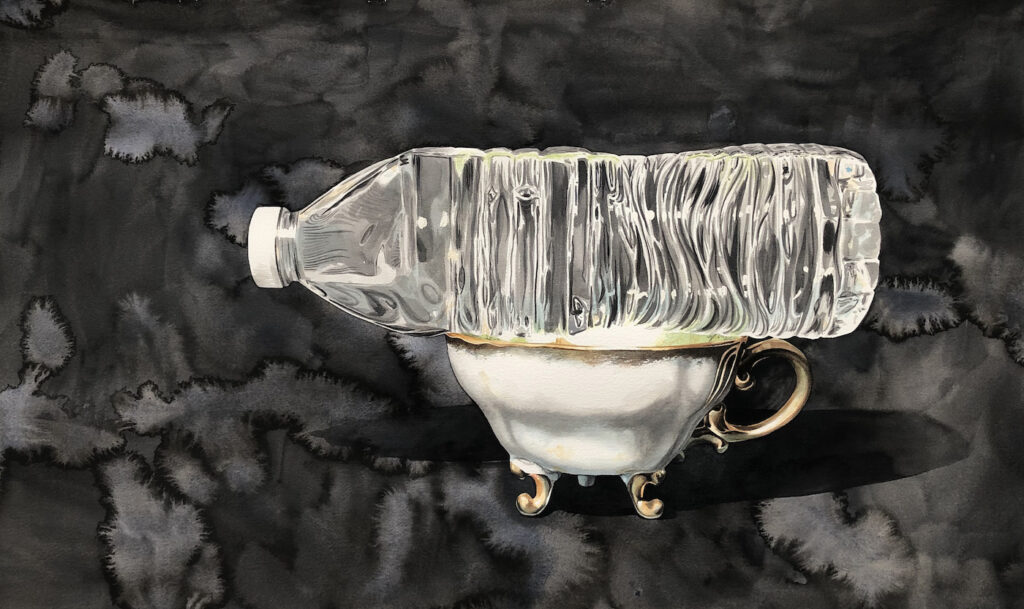
Sara Drescher watercolor painting clear water bottle balanced on white and gold teacup sustainability | on Art Biz Success

Commit to Something Big

Post-show deflation is real.

But you don’t need to have a show end to experience the business blues. Maybe you’re down because you don’t have a show, you aren’t selling, or people aren’t signing up for your workshop.

Time to explore the next thing.

Commit to Something Big Read

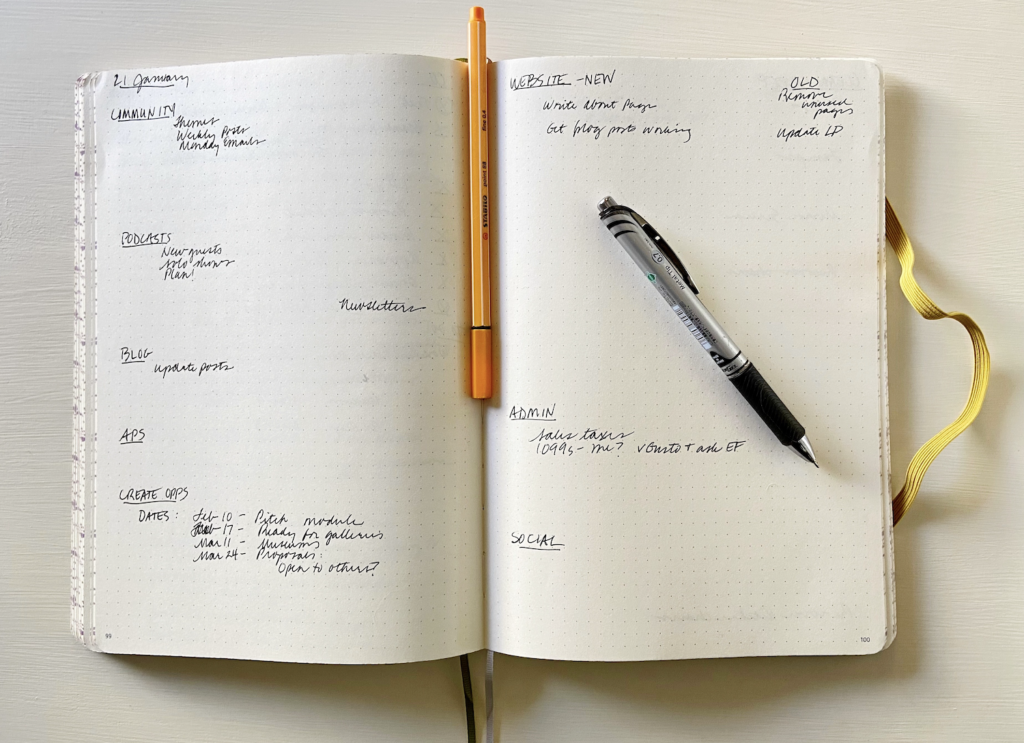
2-page spread of notebook | on Art Biz Success

A Proven De-stressing Technique to Eliminate Overwhelm

Working on the business means evaluating your busy-ness—taking time to look critically at your next steps, if only briefly. There is a deep sense of satisfaction when working on your business.

You aren’t checking boxes and crossing items off of a list, but you are feeling more in control. You begin to see possibilities that weren’t previously evident.

When you are overwhelmed, I suggest starting the process by moving some energy around and then doing a brain dump.

A Proven De-stressing Technique to Eliminate Overwhelm Read

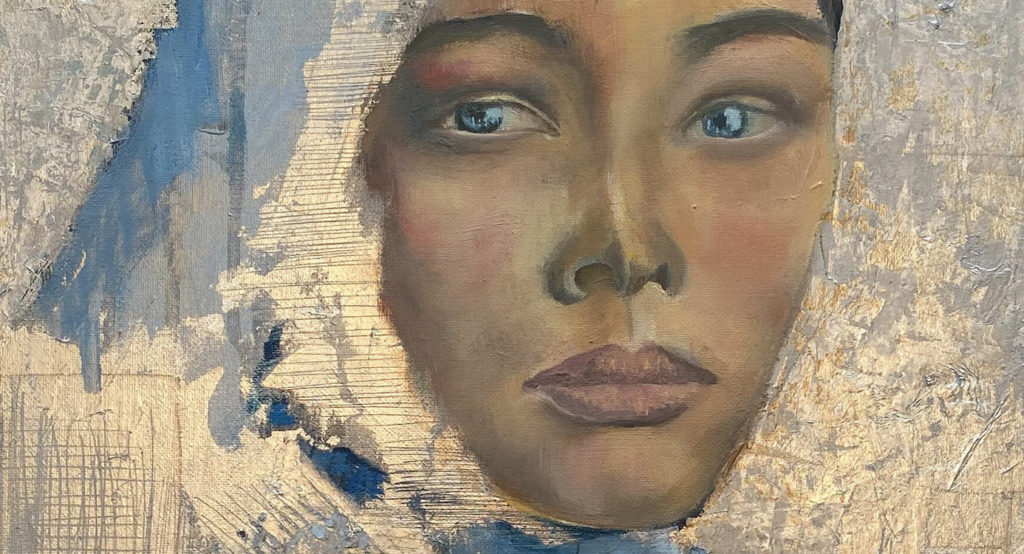
Portrait by Ruth D Moore | on Art Biz Success

The Art Biz ep. 100: Qualities and Tools That Lead to Achievements Worth Celebrating

When I started thinking about the 100th episode of The Art Biz podcast, I had very little enthusiasm around marking the milestone. The podcast exists to talk about artists’ challenges and the strategies they use to improve their results.

Celebrating 100 episodes didn’t seem aligned with that mission.

Fortunately, my good friend Cynthia Morris helped me find the lesson in this occasion that would help you. Cynthia is a rock star coach and podcast host herself who was the guest on the first two episodes of the podcast.  In this episode, she says:

And I think that what I’ve seen in the people that I’ve worked with is when we don’t acknowledge the milestones—when we don’t pause to savor and appreciate and see what we did that brought us here—we really lose out on a lot of the benefits that we’ve accrued in the course of making our way to that milestone. It’s almost like running past the finish line and not high-fiving the people.

I agreed:

I do know how important it is to see that you’re making progress. And every milestone shows you that you are making progress. I know how hard it is to look at to-do lists (without the DONE list) and see what you haven’t done.

More than just a self-congratulatory episode, together we discuss the value of acknowledging your progress, however imperfect it may be. We share what it takes to do the work, create the content, and develop the tenacity that results in milestones worth celebrating.

It’s not unlike the tenacity it takes you to make your art and run a business. Listen to see if you agree.

The Art Biz ep. 100: Qualities and Tools That Lead to Achievements Worth Celebrating Read

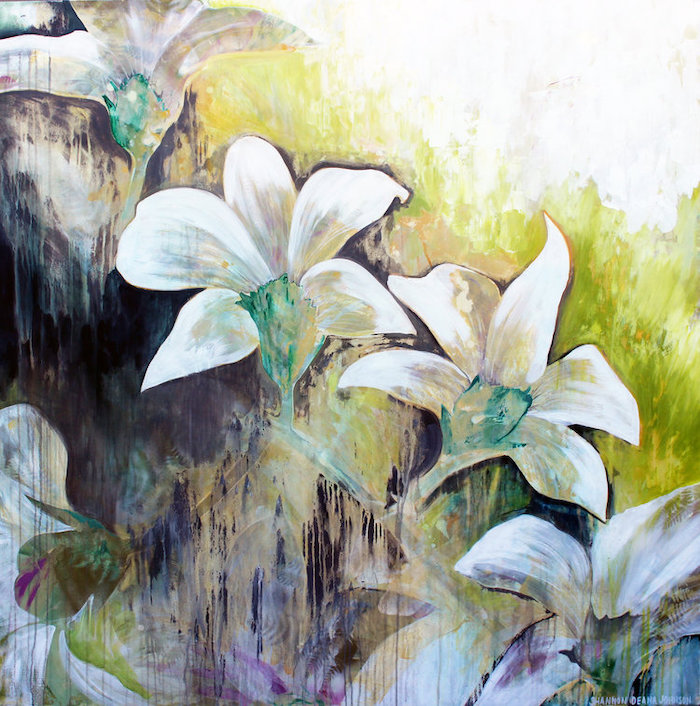
acrylic painting orchid artist Shannon Deana Johnson | on Art Biz Success

The Art Biz ep. 99: A Realistic Strategy for Increasing Your Income

Don’t be content to break even when running an art business. You need money to survive and shouldn’t be ashamed to admit it. Everyone needs an income to put a roof over their heads and food on the table.

That means you need to make a profit. You need for your expenses to be lower—far lower—than your income.

One of the best things you can do to improve your chance of success in any area is to create a plan. If you’d like to make more money—especially if you’re trying to make a living from your art—you need an income-accelerating plan.

I’m going to tell you exactly what that looks like and how to go through the process. I think it’s helpful to start with an income-accelerating plan before you make other plans. It helps to know how much you need and want to make and then you can select the projects to support that goal.

If you’ve been listening awhile, you know that one of my super powers is to help artists make plans. It’s not affordable for most artists to hire me to walk them through the planning process. But you can make a business plan customized to your own goals during my Artist Planning Sessions, which are very affordable.

So what if you’re hyper focused on profitability and need that income-boosting plan before you join me in the planning sessions. How do you do it?

I developed a process that we use in my programs called, conveniently, the Income Accelerator. We actually make a plan to increase income.

I know what you’re thinking because I’ve heard it many times before. It goes something like this: How can I plan for more money when I don’t know when my art will sell or who will buy it?

I get it. You make a plan because you’re the CEO of your art business and that’s what CEOs do. They make business projections. They have to in order to attract buy-in to their products and services.

While you don’t have any control over results, you do have control over the actions you take (or don’t take) to get the results. Take charge, like I said back in episode 96. Be the CEO of your art business and of your life.

Here are the 4 Steps to accelerate your income.

The Art Biz ep. 99: A Realistic Strategy for Increasing Your Income Read

Jenny Hope Antes watercolor painting | on Art Biz Success

The Art Biz ep. 92: Are You Playing It Too Safe in Your Art Business?

We are hard wired for self-protection.

The moment we smell risk, our physical bodies start preparing for the encounter. Our mental faculties begin telling us how we can avoid it or, short of that, deal with it.

This is a convenient human feature you were given. It keeps you safe. But it can also keep you small when you give it all the power for decision-making. It can hold you back from becoming the person you dream of becoming and the artist you were meant to be in the world.

Playing It Too Safe

I want to share some of the ways you might be allowing your built-in sensor to rule your life and impede your growth. See if any of these ring true.

You enter the same exhibitions year after year.


When you just started your art business, you began entering juried shows. You found one that was a good fit. You got in. Yay you! That wasn’t so bad. So you enter again the next year. And then the next.

Juried shows are a natural first step for artists, but what I’ve witnessed is that many artists use them like a crutch. They’re easy and comfortable.

You maintain membership in a group whose members are not growing. 


This is similar to sticking to the same shows year after year. You’re comfortable with the people you already know, so it’s easy to stay involved. The problem, of course, is that you get frustrated because the group members aren’t thinking at the same level you are. You become angry and resentful about the time it’s taking up.

There’s no reason to get mad. You can’t expect

The Art Biz ep. 92: Are You Playing It Too Safe in Your Art Business? Read

Scroll to Top

Consider 44 possible reasons why your art isn't selling.

Cover of free report: When Your Art Isn't Selling
  • External Factors
  • The Work Itself
  • How You’re Showing It
  • The Buying Experience
  • How You’re Connecting
  • How You’re Promoting It

CAN I SEND YOU THE LIST?

Be sure to check all of your email folders to ensure delivery. You’ll also receive my regular news for your art business.

Privacy + Terms