
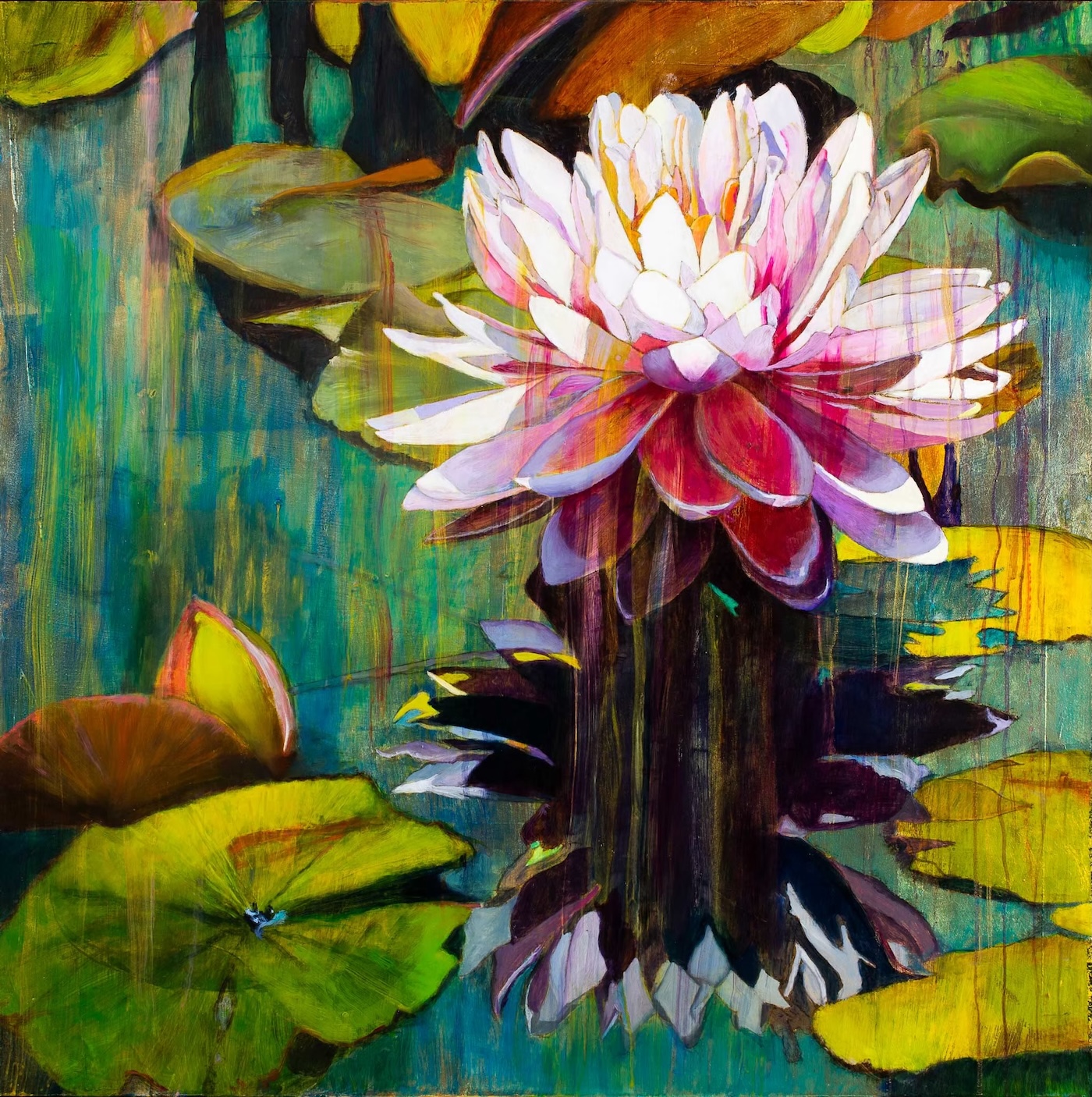
Use the attraction method for art venues before you make the ask (265)
So many artists reach out to venues too soon — before the relationship exists and before the venue has any reason to say yes.
Introducing the attraction method for building visibility with a space manager/director/curator long before you make an ask. It removes the awkwardness and allows you time to ensure a good fit. When the time comes to ask for a show, you’re not a stranger.
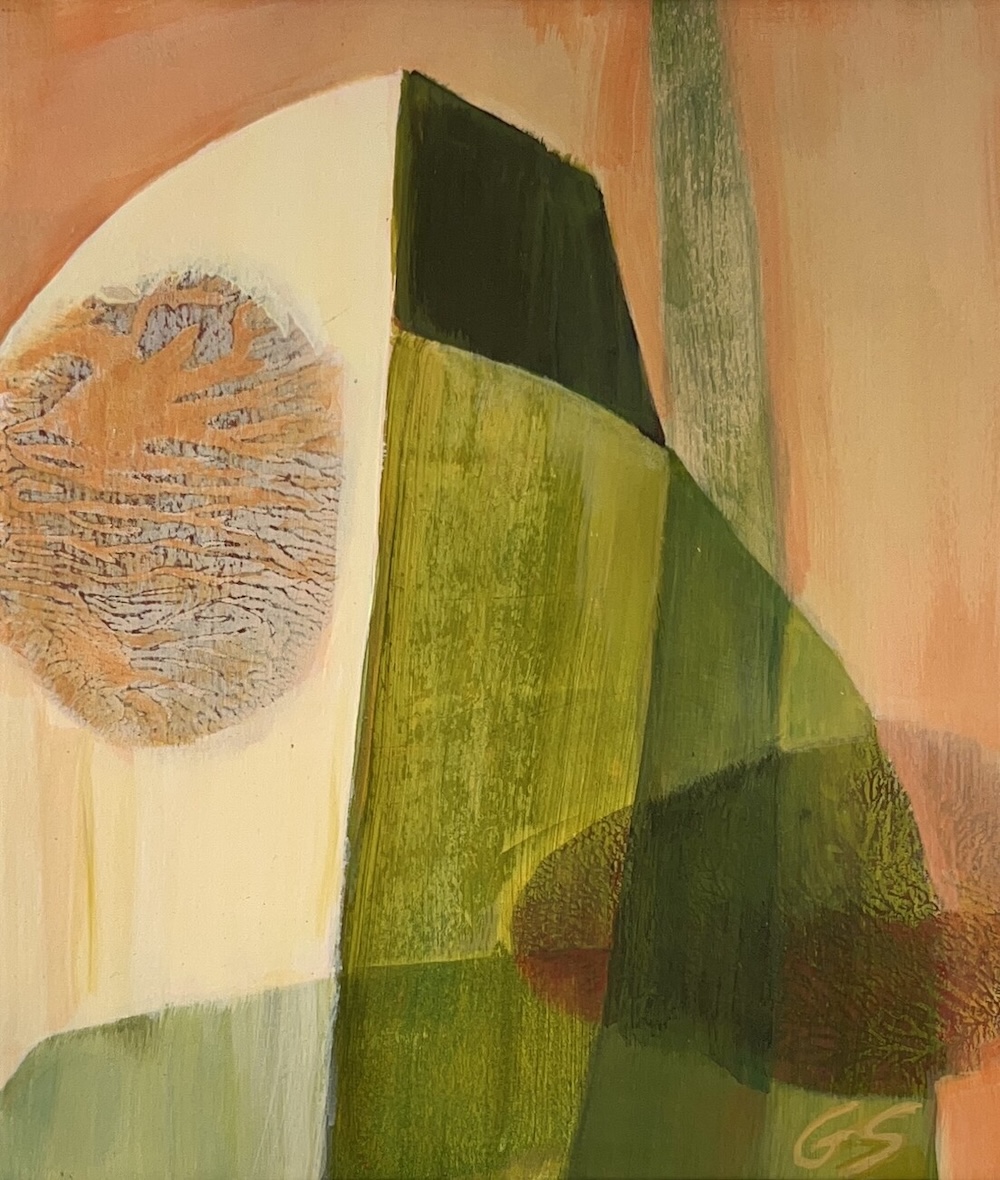
The artists who don’t wait to be chosen (264)
Waiting for gallery representation or other opportunities to cross your path is a common theme I see among artists, but it’s not a good strategy.
In this episode, I make the case for taking control of where and how your work is seen, with real examples of artists who showed up in unexpected places and made it work. If you’ve been cycling through juried shows or hoping a gallery will find you, this one is worth your time.
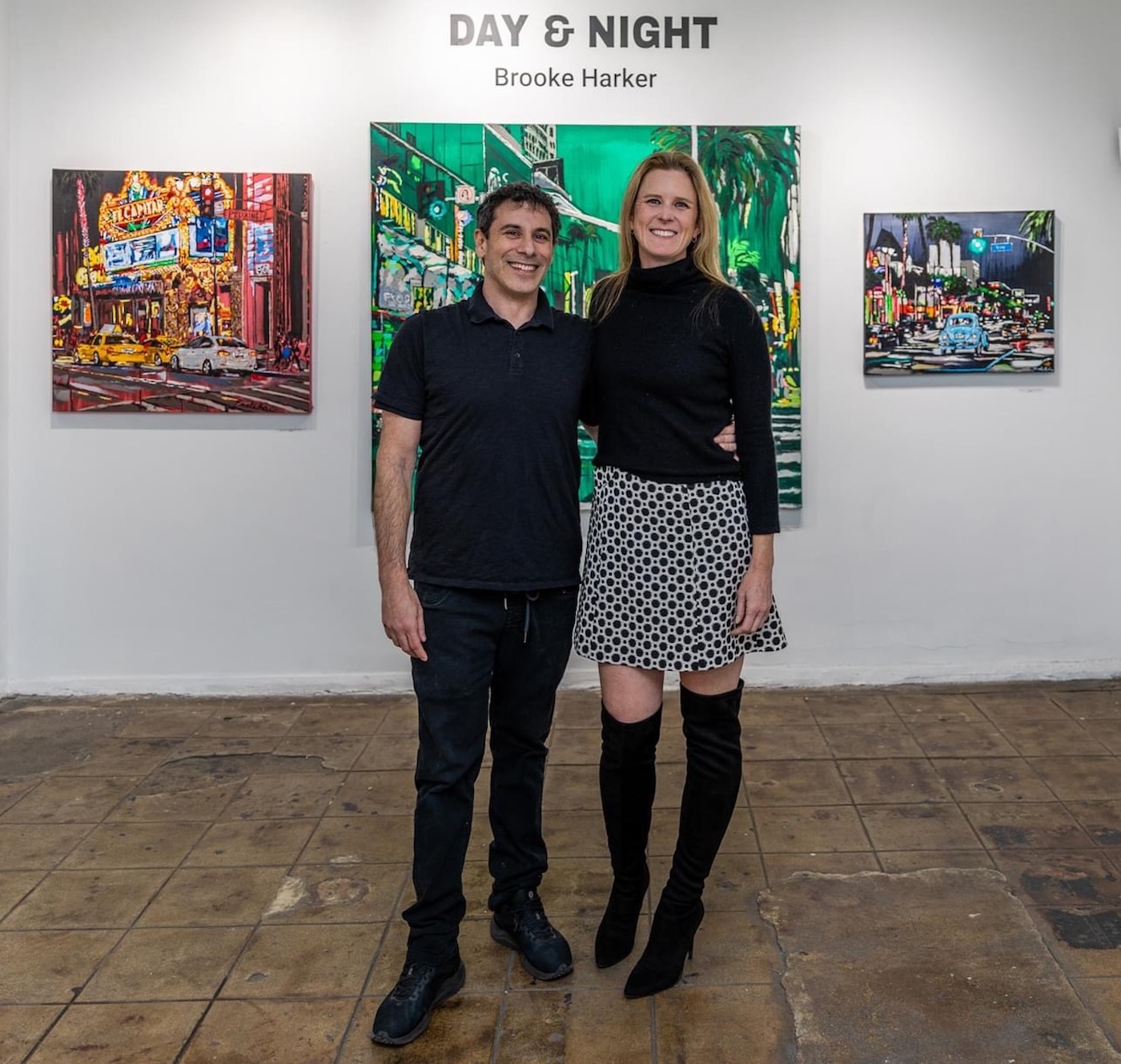
What galleries want: preparing yourself and your art (226)
This episode offers a candid look at how LA’s Gabba Gallery operates and what artists should know before submitting their work. Learn what signals professionalism, how first impressions are formed, and why clear communication matters.
You’ll hear about the inner workings of artist selection, the importance of preparation, and what strengthens long-term relationships between artists and galleries—shared from the perspective of those managing shows, reviewing submissions, and running the business every day.
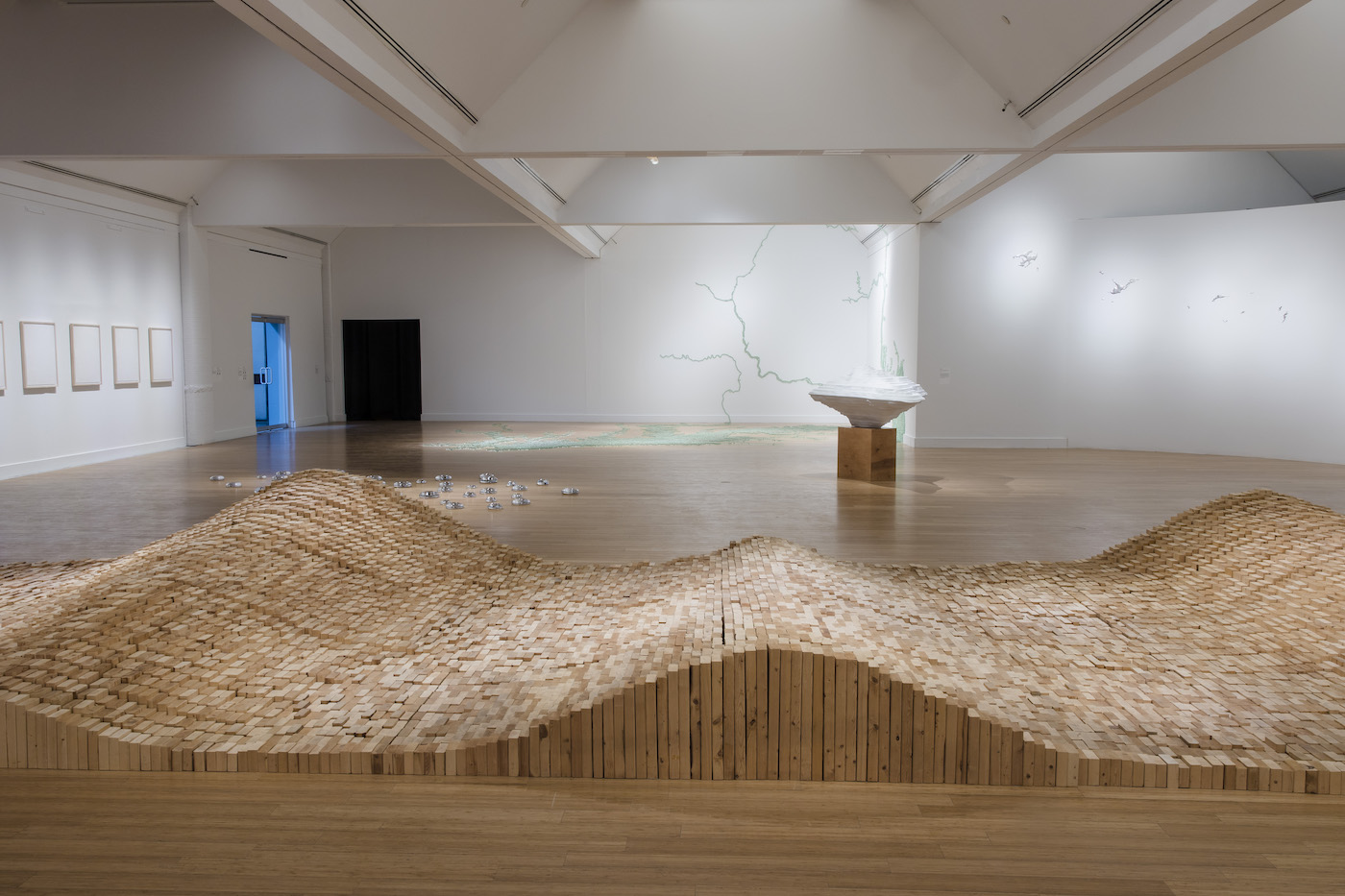
Putting artists first in curatorial projects with Melissa Messina (136)
Melissa shares how she became an independent curator after starting out as an artist. She reveals how to find independent curators, what she looks for in a studio visit, and the mistakes she sees artists making. Above all, she emphasizes the importance of your network.
We discussed the types of institutions she works with, how projects are funded, and the rhythm of their realization.
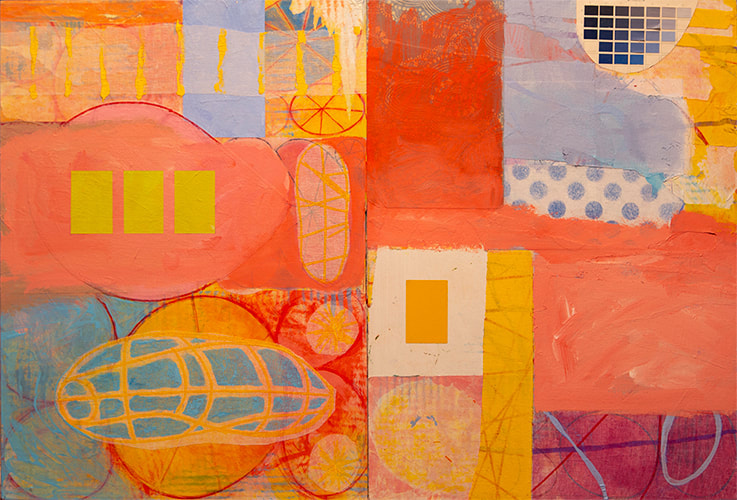
Trust, verify, and secure artist opportunities
It’s thrilling when a new opportunity comes your way. You want to jump on it. But then the doubts creep in. There’s no reason to get cynical. Approach the opportunity from a place of trust because you never know what will come of it.
Then you must back up that trust by verifying it with research and written agreements.
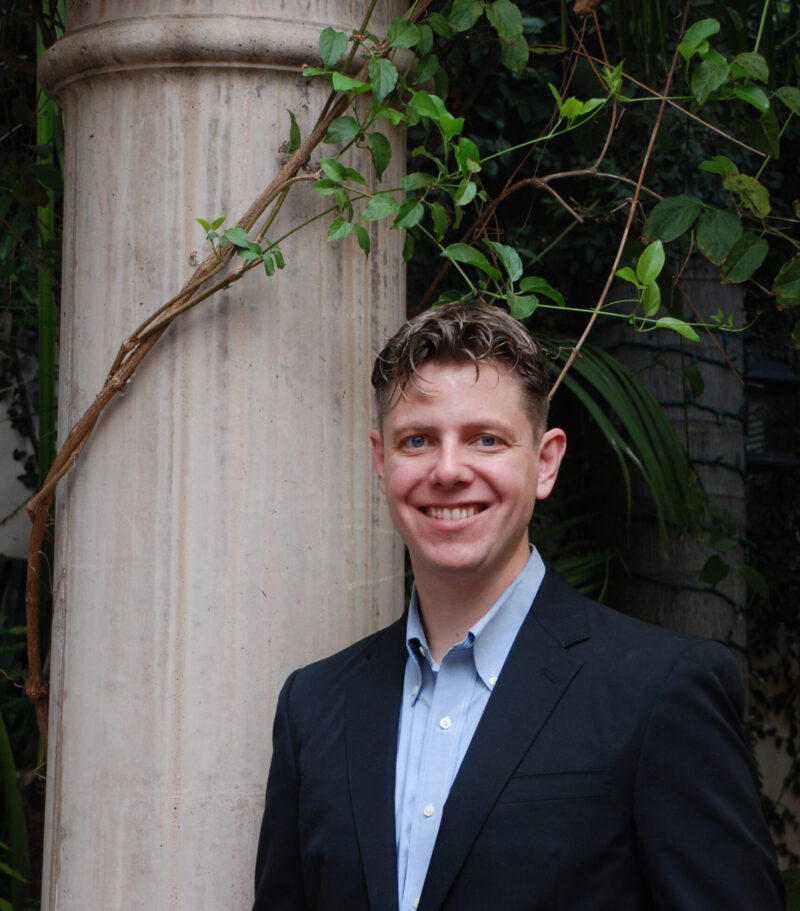
Qualities galleries are looking for in their artists with Jeremy Tessmer (123)
If you’ve ever wanted to shoot the breeze with a gallerist, this one’s for you.
You’ll hear how Jeremy views an artist’s professionalism, what he thinks of online platforms, and how he taught himself art history (and why that was important to him). He also shares the 3 qualities he looks for in artists he represents.
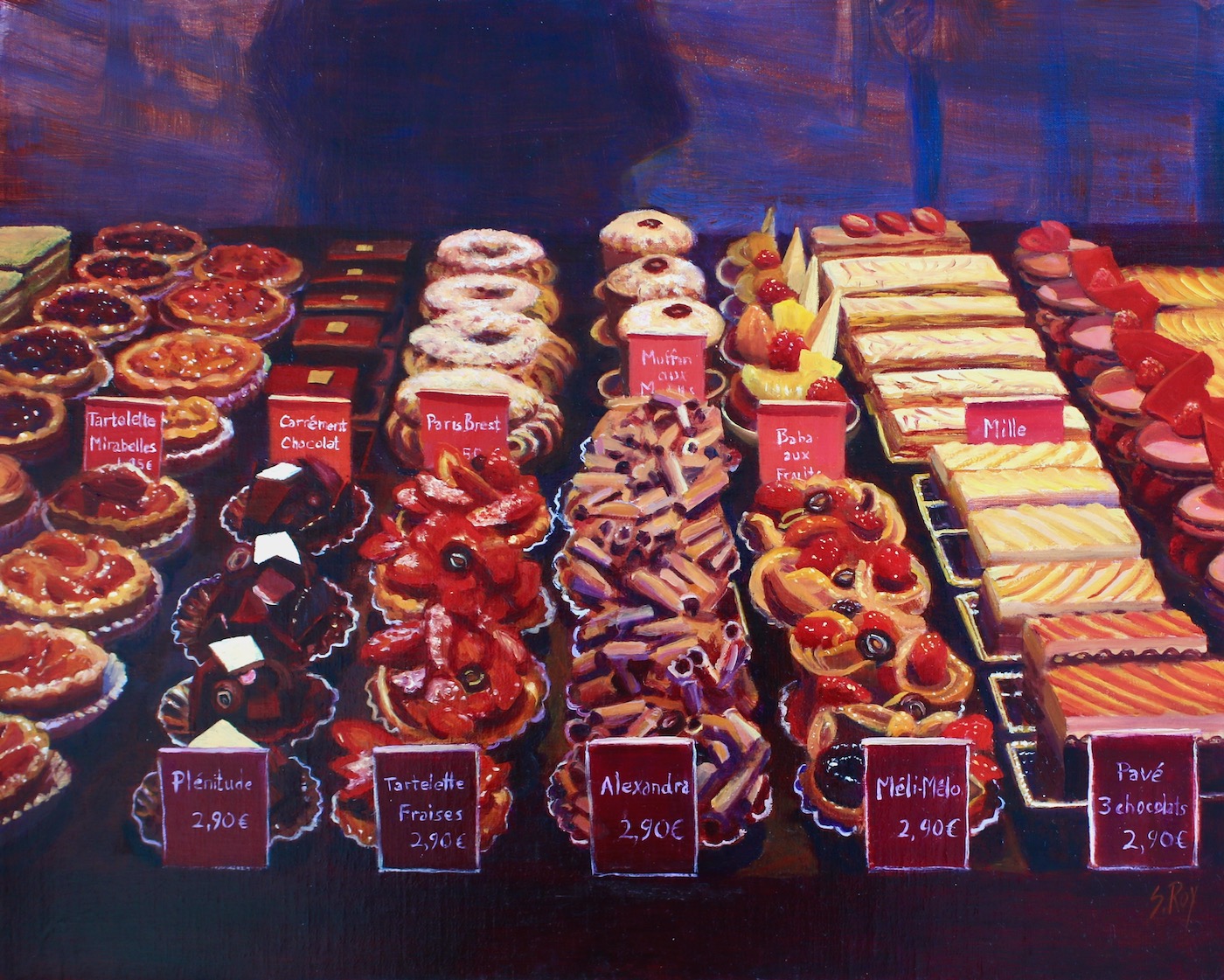
A quiet gallery experience with Simonne Roy (75)
Simonne created the quiet gallery experience for Covid, but what serious art viewer or collector isn’t sick of battling the crowds to see art they want to connect with?
This is a low-cost alternative to the open studio, renting a venue, or being part of a jam-packed group show. Every artist should give this gift to their VIPs.
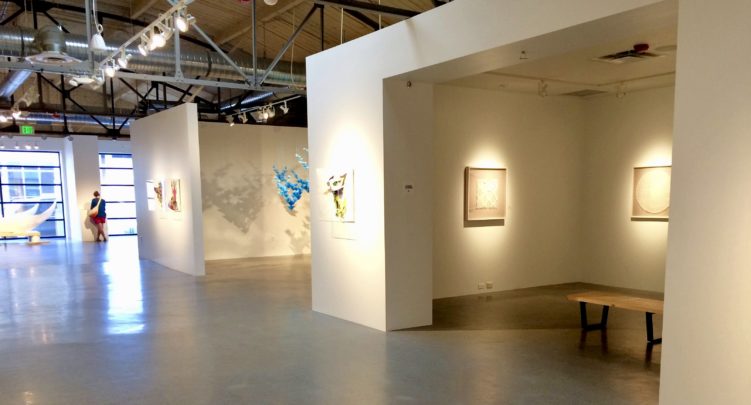
What to include in an art exhibition proposal
Not every idea you have for an exhibition warrants a full-blown proposal. There are some, especially alternative, venues where you could book a show with an email or brief conversation.
Similarly, exhibition proposals are inappropriate for commercial galleries and many spaces with curators. Still, you need to know how to write one when the goal is to get your art in front of more people. Here’s an easy outline for you to follow.
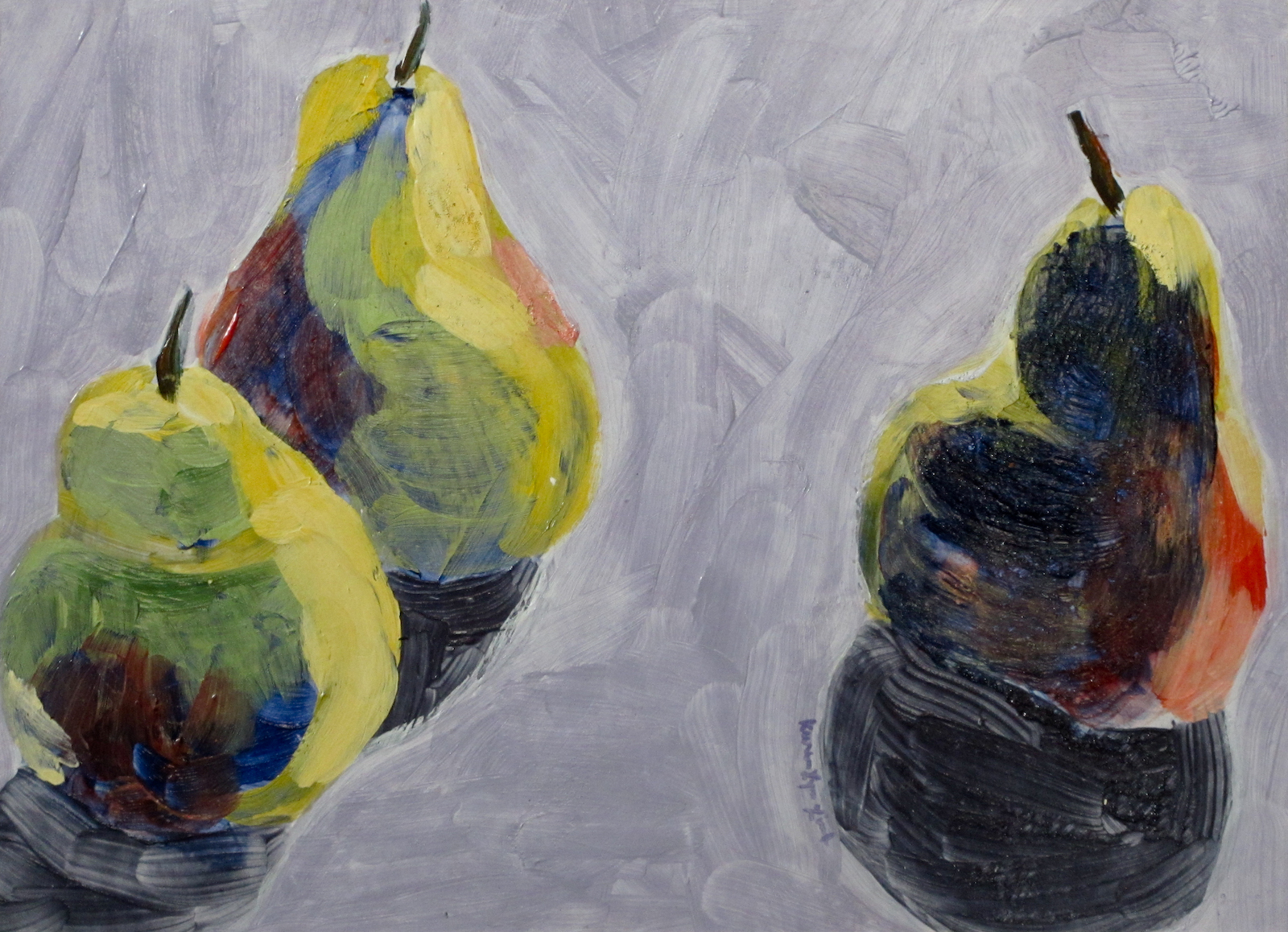
How much will that juried art show cost you?
It’s so easy to enter a juried show, and you have opportunities flying into your inbox on a regular basis. But there are real costs involved.
It costs more than an entry fee. It might cost the venue commission, your labor, material, and not to mention your emotional energy. Still, there are reasons to enter. Be clear about what you’re getting into.
Who’s who in the art museum
If it’s on your bucket list to schedule a museum exhibition, volunteer or work at a museum, or see your art in a museum collection, you will benefit if you understand how a museum administration is structured.
While I haven’t been part of the museum world since 2001, I am confident that what I share below can still be helpful to you. Keep in mind, however, that not all museums operate the same way,
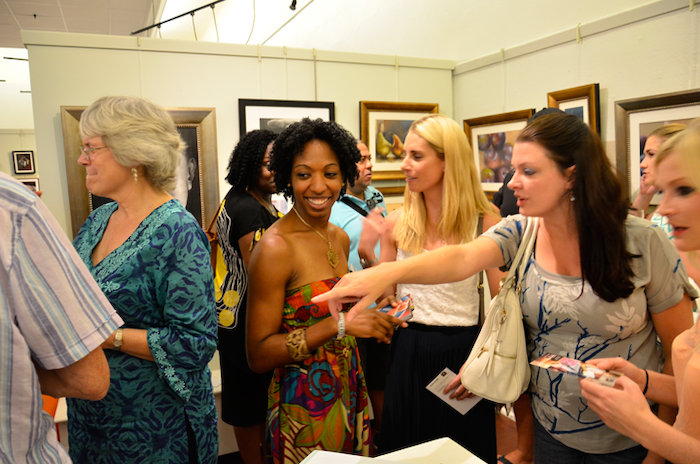
Book your next art exhibition — now
You and I both know that your work can’t be fully appreciated in pixels. You must get it in front of more eyeballs. Showing your work in real spaces allows you to have meaningful conversations that simply don’t happen online.
Exhibiting your art in live venues should be one of your primary goals, and you don’t have the luxury to wait for the ideal slot to open up.
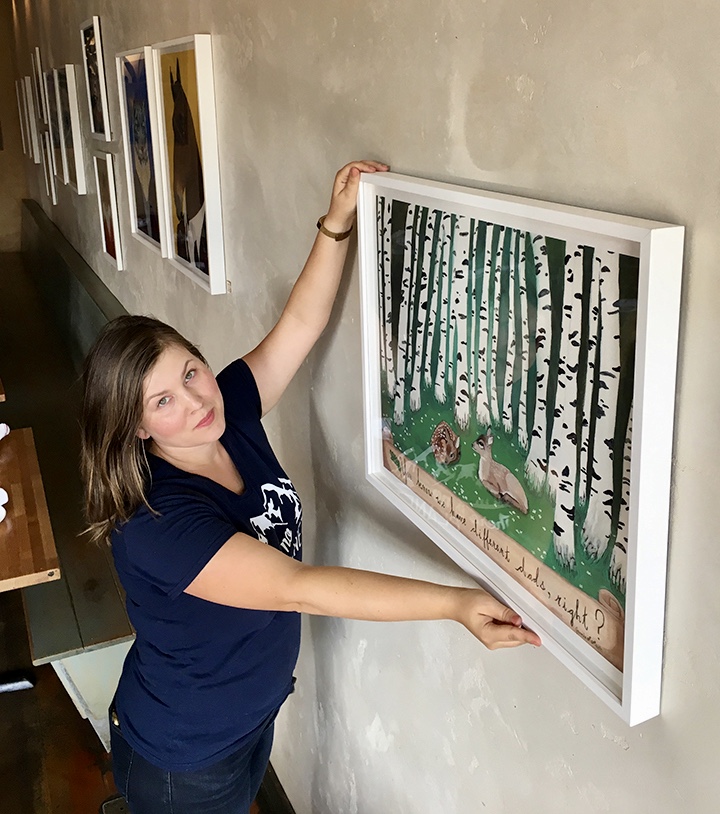
Art exhibition checklist and timeline to customize (download)
Your show is going to be here before you know it and I want you to have plenty of time to enjoy the spotlight without having to worry about a lot of last-minute details.
An exhibition checklist will keep you on task for your show without having to spend unnecessary brain cells wondering what you should be doing.
Download available.